

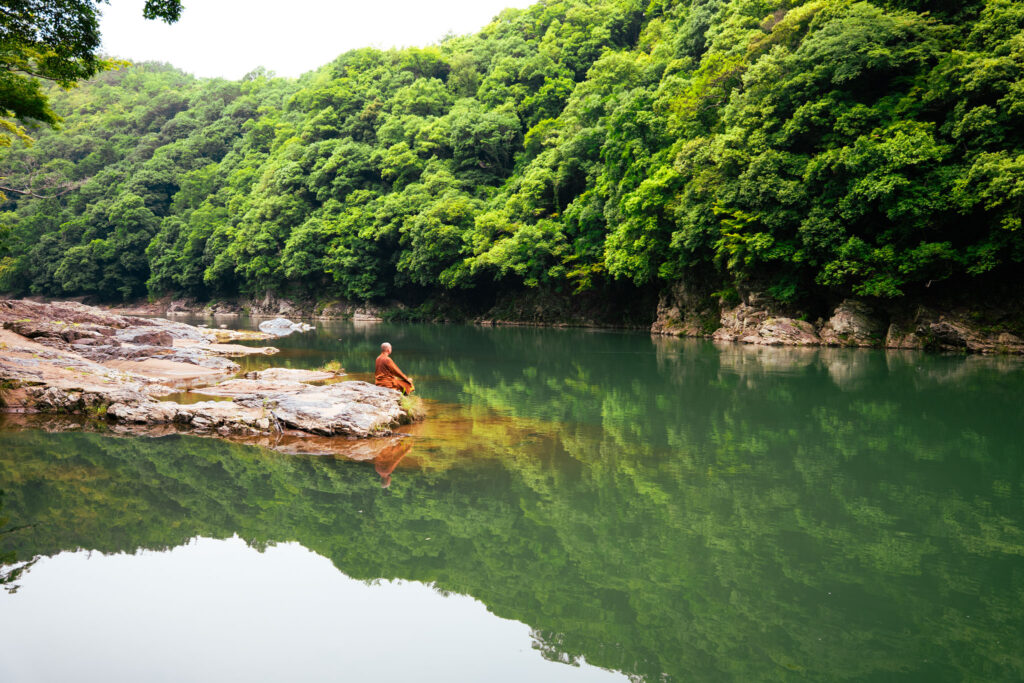
Discover how Buddhist philosophy and Japanese temples inspire a mindful approach to photography, from the quiet temples of Kyoto to the sacred deer of Nara.
The Art of Waiting
In a world where photography often means chasing moments, Japan taught me the art of waiting.
Among the quiet temples of Kyoto and the sacred deer of Nara, I learned that stillness can speak louder than action.
The monks sitting silently in the early morning haze reminded me that photography is less about capturing what happens and more about how it feels.
Stillness as a Form of Storytelling
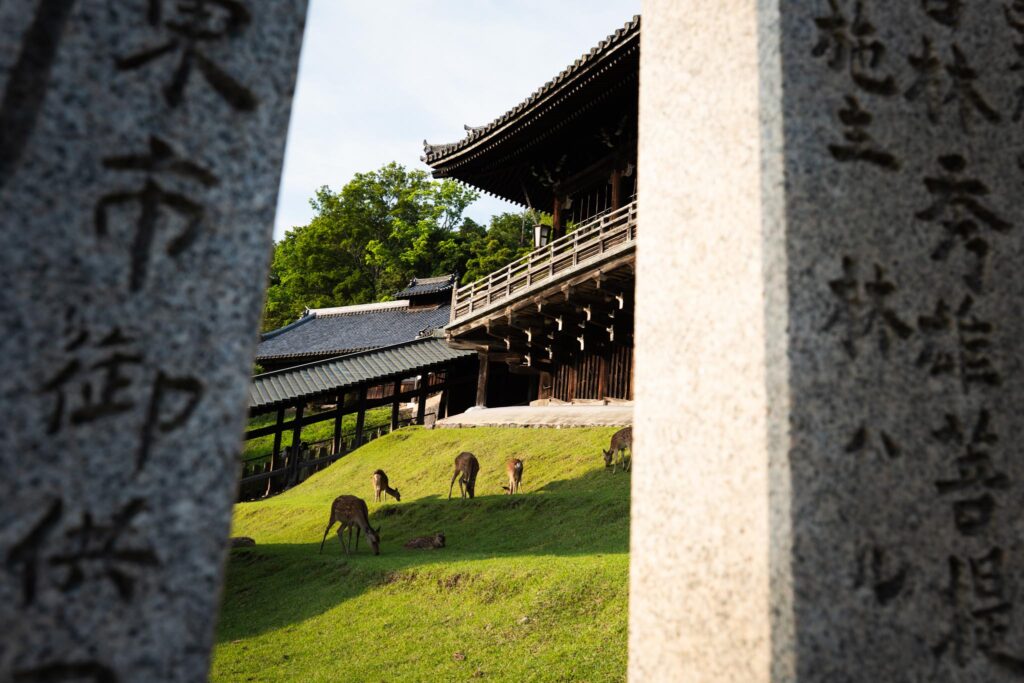
Stillness tells its own story.
When photographing temples, I found that slowing down changed the way I composed a frame. Instead of reacting to movement, I began to anticipate it, the gentle sway of a robe, the moment incense drifts through light, the pause before a bow.
Each frame became less about technical perfection and more about emotional presence, letting the viewer breathe with the image.
When Nature Becomes Part of the Sacred
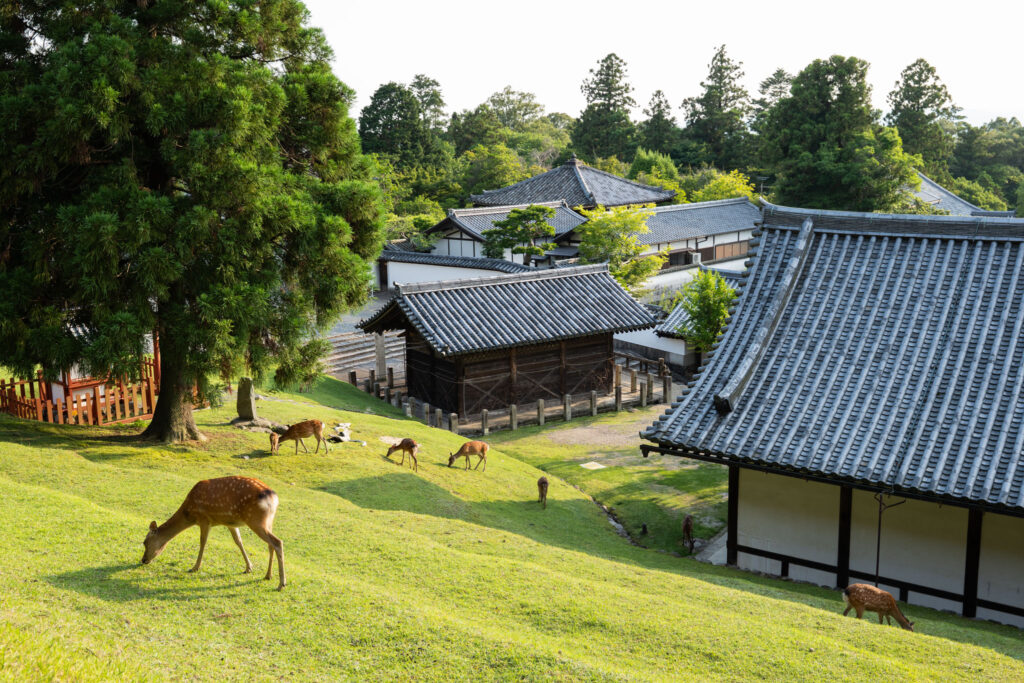
In Nara, I saw something rare: animals and spirituality coexisting in harmony.
The deer wander freely through temple grounds, symbols of purity and messengers of the gods in Shinto belief. Capturing them among the old wooden temples felt like documenting a dialogue between nature and culture, a reminder that sacredness often lives in coexistence, not separation.
This connection between the spiritual and the natural shaped how I approached every shot, with respect, patience, and quiet curiosity.
The Playful and the Profound
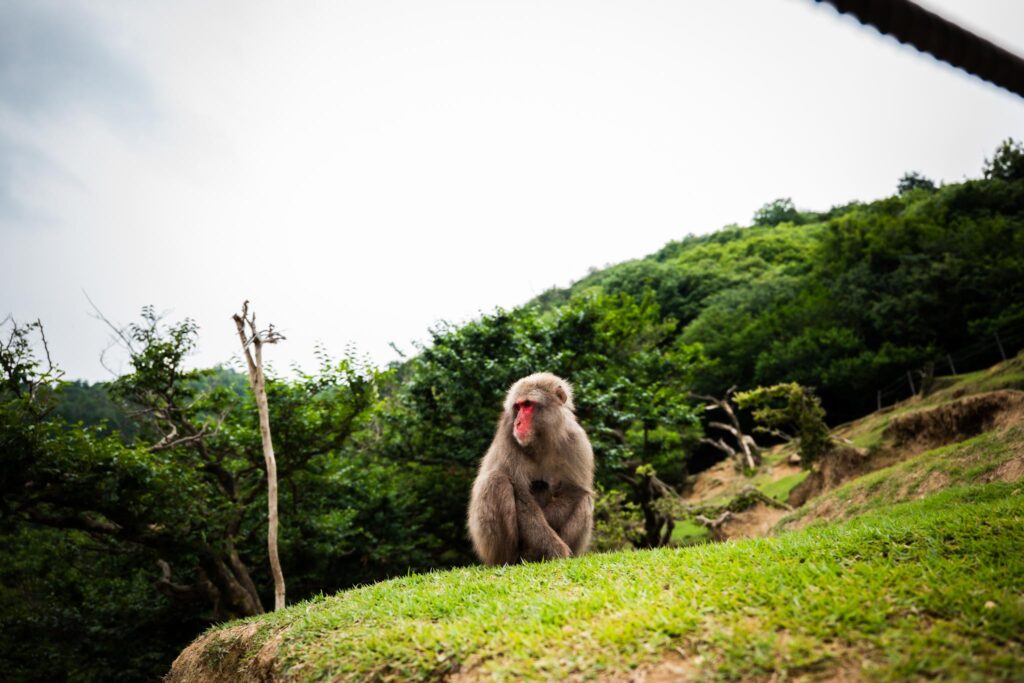
Not every moment in Japan was solemn.
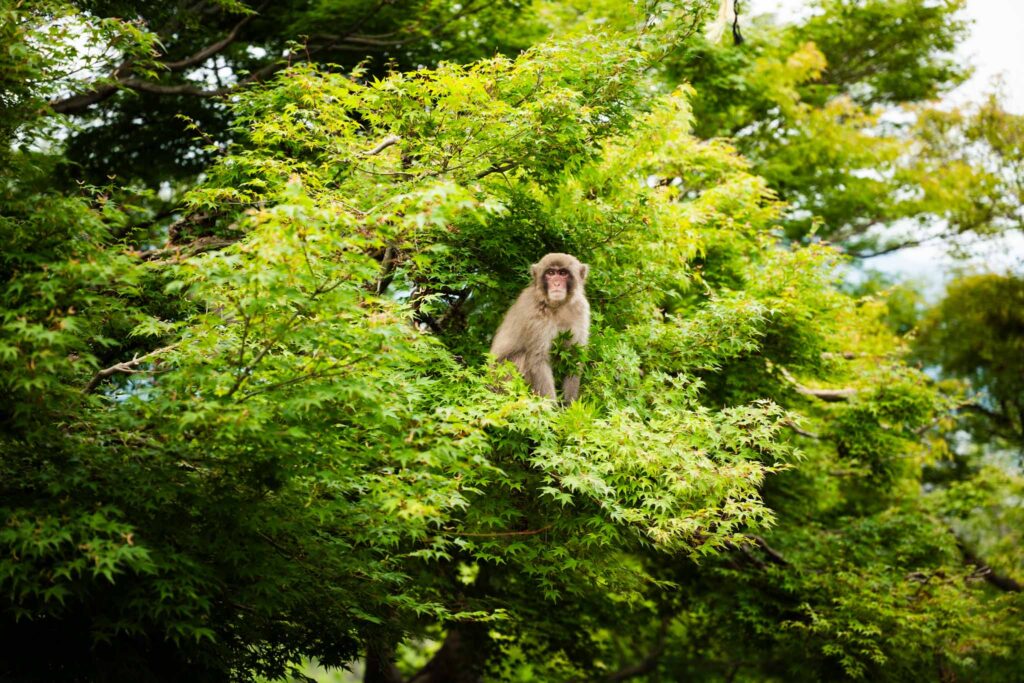
In Kyoto’s mountain areas, I encountered monkeys, playful, alert, unbothered by the serenity of their surroundings. They reminded me that stillness doesn’t always mean silence; sometimes it’s about balance.
A photograph can hold both motion and peace, the lively chaos of life, framed in a moment of calm observation.
Lessons for the Photographer
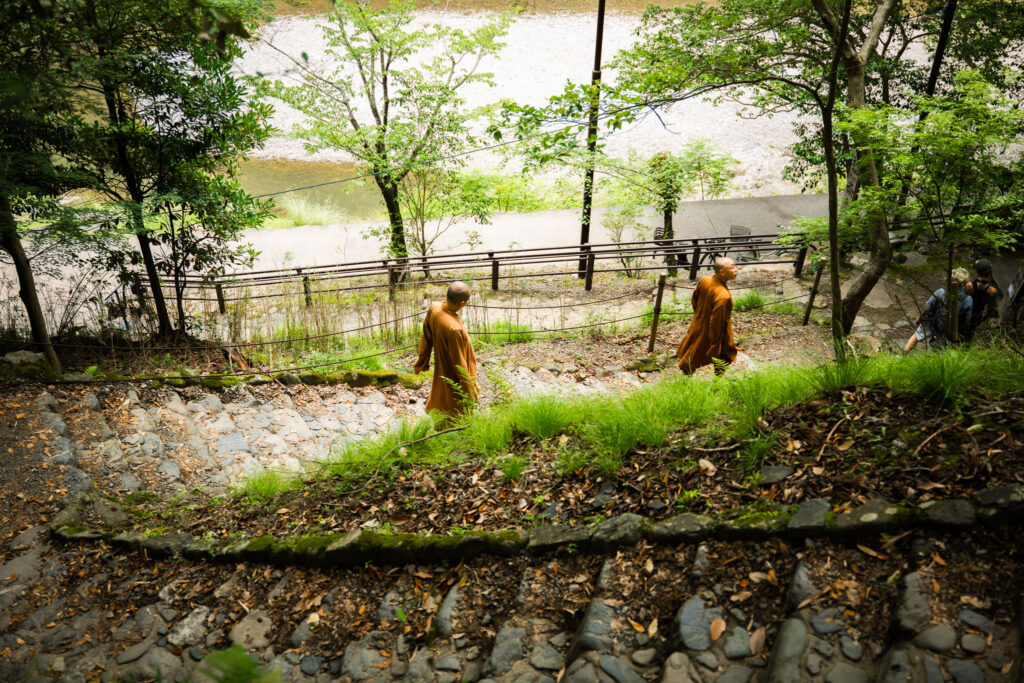
From Kyoto’s temples to Nara’s deer paths, Japan reshaped how I think about photography:
- Observe before you shoot. Let the environment guide your composition.
- Use light like meditation. Early morning or late afternoon light creates natural softness.
- Embrace imperfection. Stillness isn’t about control — it’s about presence.
- Tell emotional stories. A photo should feel quiet, not just look still.
These lessons extend beyond photography, they invite us to slow down and see the world with renewed awareness.
The beauty of quiet
In every frame I took, there was a trace of calm, the pause between breaths, the silence between bells.
“Capturing stillness” isn’t just about technique; it’s about surrender.
Through the monks, the deer, and the timeless temples, I found that photography can be more than documentation, it can be meditation.